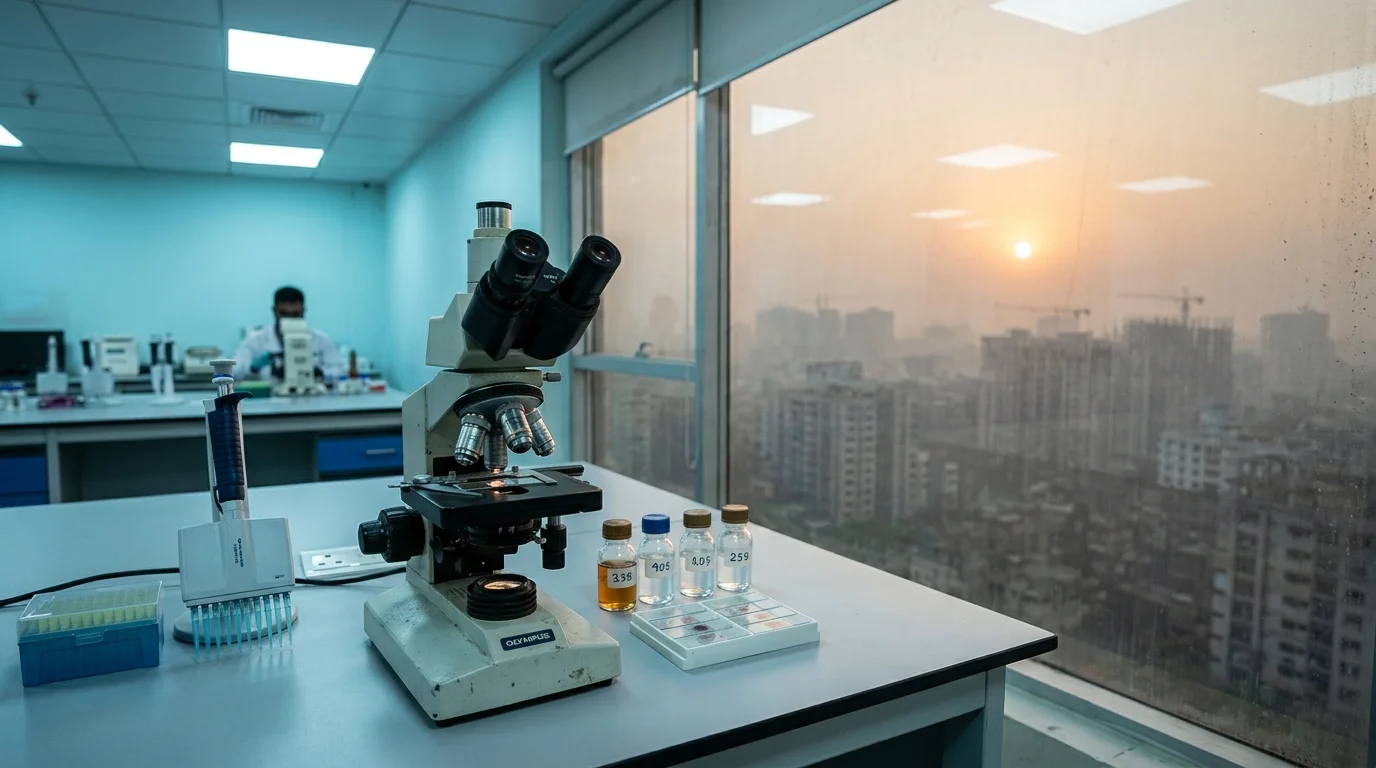
DHAKA, Bangladesh — Bangladesh’s public healthcare infrastructure is contending with a dual seasonal assault. According to daily epidemiologic bulletins from the Directorate General of Health Services (DGHS), national dengue fatalities crossed the somber threshold of 500 deaths (reaching 503 by November 16), with aggregate hospital admissions surpassing 162,480 patients during 2026.
Public health experts observed that intermittent post-monsoon rain showers combined with lingering warmth have extended the Aedes mosquito breeding season well into mid-November, preventing the traditional winter downturn in clinical transmission.
Hospital Pressure in Dhaka and Southern Divisions
Dedicated fever wards across Dhaka Medical College Hospital, Mugda Medical College Hospital, and divisional hospitals in Barishal and Chattogram reported high patient occupancy. Doctors emphasized that late hospital admissions remain the primary driver of fatal dengue shock syndrome cases.
"Patients must avoid self-medicating with over-the-counter pain relievers and seek immediate clinical diagnosis upon developing high fevers. Prompt platelet and fluid management saves lives," DGHS clinical directors stated.
Air Quality Deteriorates: AQI Surges Past 200
Simultaneously, the arrival of dry winter weather patterns has exacerbated atmospheric pollution across the capital. Real-time monitoring data from IQAir registered Dhaka’s Air Quality Index (AQI) at 214, categorizing the metropolis as "Very Unhealthy" and ranking it among the three most polluted capital cities globally.
Environmental scientists noted that brick kiln emissions, unpaved urban construction projects, and winter temperature inversion layers trap microscopic PM2.5 particulates at ground level. Medical practitioners urged vulnerable demographics, particularly senior citizens, young children, and respiratory patients, to wear protective N95 masks during outdoor morning transit.
No comments yet. Be the first to share your thoughts!